
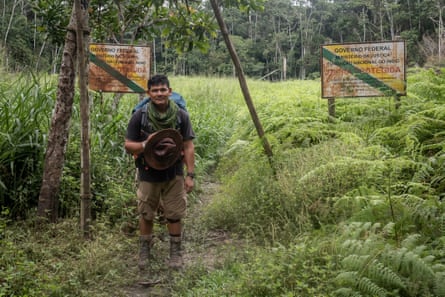
In 2024, field officers from the national agency for native communities traveled over a vast distance through lush Amazon jungle on the southern periphery of the Amazon basin. Their objective was to survey and help protect an Indigenous group with no sustained communication with the modern world.
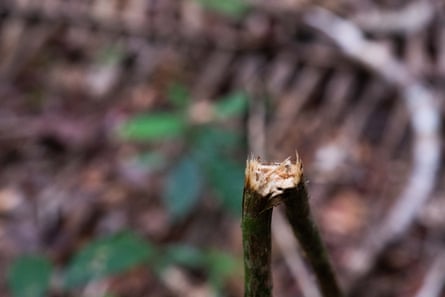
Their observations included a handcrafted item made from leaves, a small footprints by a stream, and branches freshly cut to extract honey. They also found old huts sinking into the forest and discarded brazil nut pods near extinct campfires. These were all undeniable evidence that the Pardo River Kawahiva were present.
Administrative Stalling Block Mandated Defense
Despite a high court order mandating a protection plan for the uncontacted people, the national authorities has not followed through. The approved measures included accelerating the demarcation of their territory and detailing deforestation reduction strategies.
Bureaucratic delays, funding shortages, and hostile clashes—featuring attacks by leaders associated with the timber trade—have halted the protection initiative.
Without established perimeters, loggers and ranchers keep moving in, leaving the Kawahiva at grave risk of cultural eradication. Advocates label the inaction a willful and dangerous breach of the country's constitution.
“This stalling in territorial recognition is not only unlawful, it is also profoundly hazardous.”
Encroaching Deforestation
The intended 400,000-hectare reserve remains without official demarcation, as mandated by law. It is considered the largest unprotected forest in Brazil that is inhabited by communities in voluntary isolation.
Immediately beyond the territorial limits, the view changes dramatically. The vegetation is cleared for cattle grazing. Fences and gates are being erected, and new roads are stretching farther into the pristine forest.
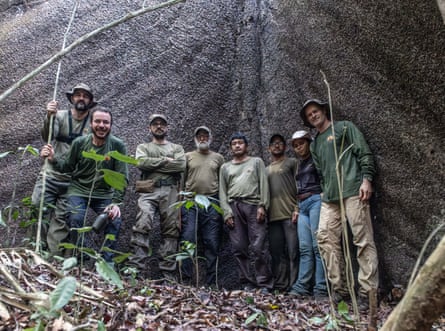
Following the expedition, a agency head for land defense promised to address the issue. “We are employing everything in our power to guarantee that the Kawahiva land is demarcated,” the official stated.
Money Problems and Escalating Tensions
Physical demarcation of the vast territory involves setting up official signs. This is seen as a crucial action to convince loggers and farmers that the state will enforce about upholding the law. However, the demarcation is delayed.
Financial resources has been a primary obstacle. Initial plans to use compensation funds from a highway project did not materialize. The agency has since turned to new partners.
It has now initiated a partnership with a technical academic body. “It’s a technical partnership that we’ve already had success with,” explained an official. “The on-ground work is planned to begin in the coming years.”
The institute confirmed that negotiations were in late stages but did not specify when work would begin.
Complicating everything is what officials term a “highly tense environment in the region,” which is expected to require an security detail during any demarcation work.
Violent Opposition
The potential for conflict is real. In 2018, an armed group attacked a monitoring outpost in the territory, resulting in a violent clash where one attacker was killed. Years later, national force officers were deployed in the area.
Earlier this year, an threatening communication surfaced in which a man, claiming to be a local leader, made threats against the lead field agent. The individual, linked to local loggers, boasted to have entered the territory “trying to find those isolated Indians.”
He is under indictment for several environmental crimes, including charges related to the attempted murder on the agent. “We can’t work because of this guy,” the man said in the recording.
A Race Against Time
Anthropologists and observers point out that it has been over a quarter-century since the location of the isolated group was verified. “Since then, illegal settlers have consistently challenged the land declaration in court,” noted one expert.
They raise a concerning idea: that the present holdup is a politically motivated barrier rather than a procedural one. This leads to concern that demarcation may not happen even in the near future.
The upcoming elections adds urgency. Many believe that the current term represents the last chance for this territory project to be realized, before a potential change in government could stop similar processes, as occurred in the past.
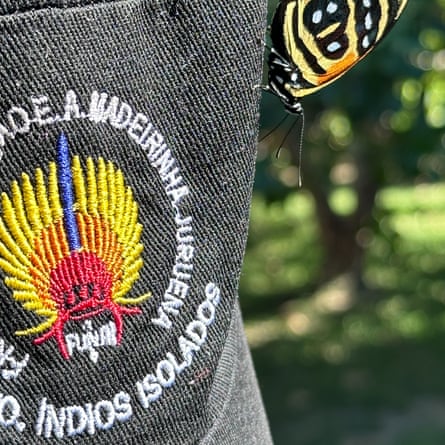
The judicial order was the result of a legal action filed by a national Indigenous organization. The court recognized the “risk of genocide, starvation, and assimilation” facing the community.
A lawyer involved described the process as “not moving,” with the court expecting implementation. The risks of inaction are stark. “It is also extremely dangerous and puts the lives at risk of the vulnerable tribe,” warned a representative from an campaigning body.


